Greeting
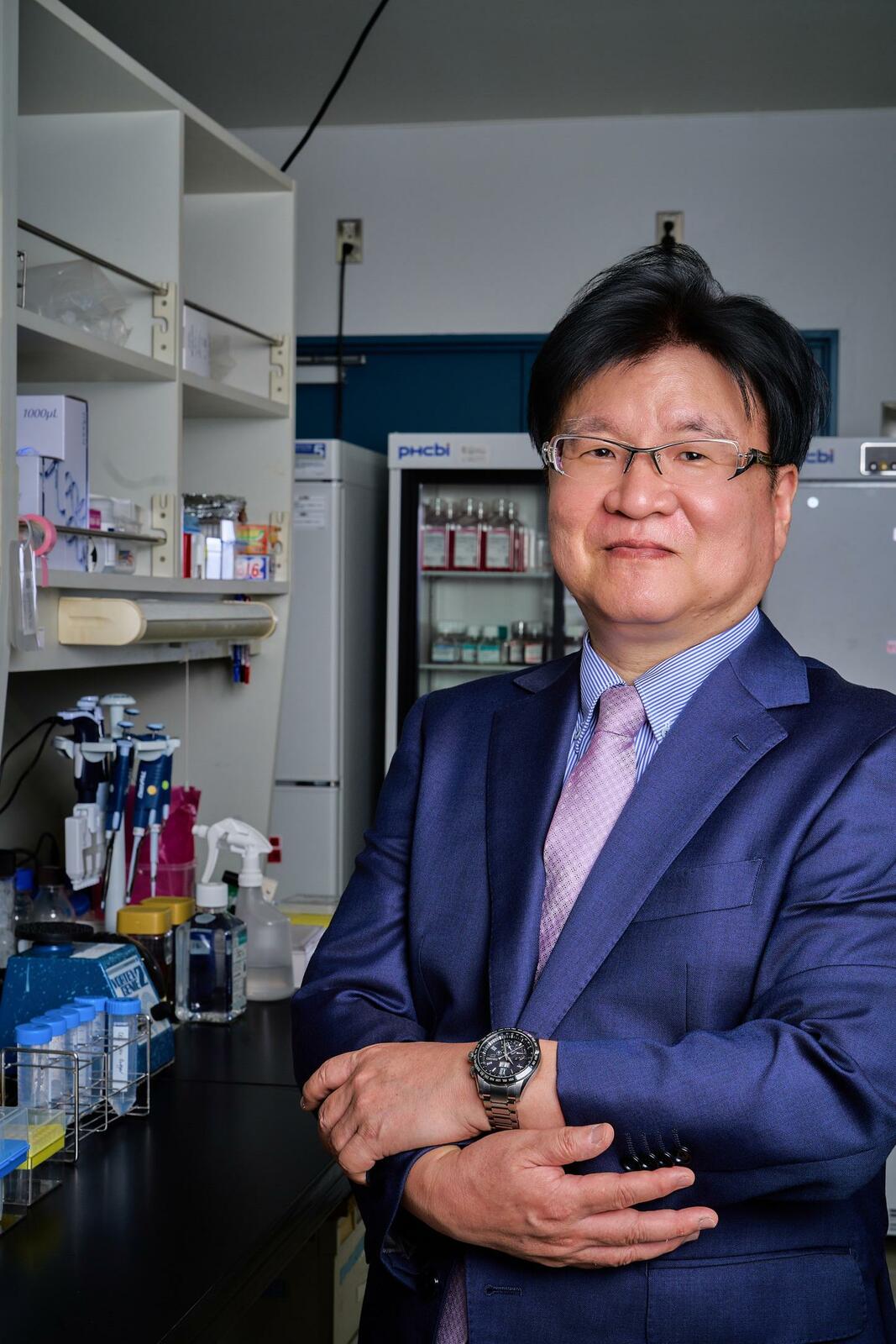
Greetings from Professor
As we welcome the beginning of 2026, I would like to extend my greetings.
The pandemic caused by the novel coronavirus, which began at the end of 2019 and subsequently plunged the world into unprecedented turmoil, has gradually come to feel like a distant event in our daily lives as time has passed. At the same time, however, we have once again come to strongly recognize the profound impact that infectious diseases can have on society. In Japan as well, efforts toward infectious disease research and the development of vaccines and therapeutics appear to have intensified more than ever.
In recent years, unexpected events have been reported, such as the spread of highly pathogenic avian influenza H5N1 virus to mammals, resulting in infections among dairy cattle. In the field of morbilliviruses, which is my area of expertise, there is also growing evidence that canine distemper virus is further expanding its host range to include primates. These observations prompt us to consider whether such phenomena have become visible due to advances in analytical technologies, or whether they reflect more fundamental changes in our environment and in the relationships between humans and pathogens.
There is no doubt that human behavior plays a significant role in the spread of many pathogens. New crises seem to be increasing in frequency and, rather than appearing suddenly, are quietly yet steadily approaching us before we realize it—this is the sense I personally hold.
It has now been more than three years since I left the National Institute of Infectious Diseases and returned to the university setting of education and research after a 13-year absence. Alongside research, I have once again come to appreciate the joy of engaging with students on a daily basis through teaching. At the start of this new year, I would like to renew my commitment and devote myself wholeheartedly to both research and education.
Our laboratory aims to be a place where motivated students and young researchers can freely discuss ideas and take on new challenges. If you have even a slight interest, please feel free to visit the laboratory at any time. I very much look forward to advancing new research together with you.
January 2026
https://researchmap.jp/Makoto_Takeda?lang=en
=======================================================================
I have been in charge of the Department of Microbiology since September 2022. I will do my best to live up to the history of the traditional Department of Microbiology.
At the end of 2019, a novel coronavirus (severe acute respiratory syndrome-related coronavirus 2 [SARS-CoV-2]) emerged and subsequently caused an unprecedented pandemic. Acute respiratory virus infections are extremely difficult to prevent from spreading and there is no time to take countermeasures. In this respect, they differ greatly from blood-borne, foodborne, and sexually transmitted infectious diseases, which can be controlled by taking adequate precautions in daily life.
I originally planned to become a pediatrician. However, as I gained clinical experience, I became acutely aware of the difficulties in treating viral infectious diseases and complications by these diseases, and I decided to thoroughly study viruses and contribute to medicine through research on viruses.
I have mainly studied the molecular mechanisms of pathogenicity by measles virus and the mechanisms of activation by host proteases (proteolytic activation) of respiratory viruses (influenza virus, coronavirus, etc.). I believe that the results of these studies have partially contributed to the elimination of measles from Japan, quality control of measles vaccines, and countermeasures against SARS-CoV-2. The cell line for respiratory virus isolation (VeroE6/TMPRSS2 cells) that we developed have been used around the world since the beginning of the pandemic caused by SARS-CoV-2, and we hope that we have been of some help in this pandemic countermeasure.
Nowadays, humans exist in every corner of the earth, and the world's transportation networks are becoming overcrowded (even space is becoming overcrowded, I hear). As a result, the risk of new outbreaks of infectious diseases will only increase. We are running out of time.
Nevertheless, our daily research is full of fun. Training the next generation is one of our most important missions. First of all, please visit our laboratory, even if only for a quick peek. We look forward to seeing you.
2022 October
https://researchmap.jp/Makoto_Takeda?lang=en